
Tooth Extraction in Keller, TX
A tooth extraction is recommended when a tooth can no longer be predictably restored due to decay, fracture, infection, or supporting bone loss. The goal is to relieve discomfort, remove infection, and protect surrounding teeth and gums. With proper diagnosis and aftercare, tooth extraction in Keller, TX supports steady healing and long-term oral health. At Highland Oaks Family Dentistry, extraction decisions are guided by the clinical judgment of Dr. Devang Patel, a licensed general dentist with over 13 years of hands-on experience treating complex restorative and urgent dental conditions. His approach emphasizes evidence-based evaluation, conservative decision-making whenever possible, and clear patient education before proceeding with removal.
What Is Tooth Extraction?
Tooth extraction is basically the removal of a tooth that poses ongoing risk to your oral health. During your visit, the dentist reviews your symptoms, completes a focused exam, and takes digital X-rays if needed. In clinical practice, extractions are often recommended only after other restorative options are ruled out. Careful planning, proper anesthesia, and clear communication help ensure the procedure is both safe and really comfortable.
Common Reasons a Tooth May Need Removal
Dentists commonly recommend extraction for:
- Advanced decay that cannot be restored
- Vertical root fractures
- Failed previous dental treatments
- Severe periodontal disease affecting bone support
- Impacted teeth or crowding concerns
Removing a compromised tooth helps control infection, relieve pain, and reduce the risk of repeated flare-ups or emergency visits.
Signs an Extraction May Be Needed
Symptoms that often require evaluation include:
- Persistent or worsening bite pain
- Swelling or drainage with a bad taste
- A visible crack extending below the gumline
- Tooth looseness or bite changes
- Throbbing pain that disrupts sleep
When several of these signs occur together, timely evaluation can help prevent infection spread and bone loss.
Types of Tooth Extractions
Simple extractions involve teeth fully visible above the gumline and are removed using specialized instruments.
Surgical extractions are used for teeth that are broken, brittle, or impacted and may involve small incisions or sutures.
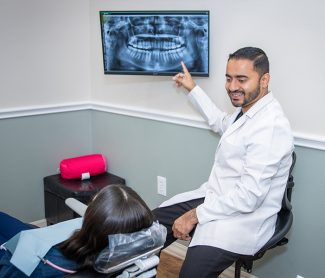
Digital imaging guides both approaches, allowing careful technique that protects surrounding bone and soft tissues.
What to Expect During the Procedure
- Local anesthetic and comfort check
- Gentle loosening and tooth removal
- Site cleaning and irrigation
- Possible sutures and gauze placement
- Clear aftercare instructions and follow-up guidance
Clear explanations and step-by-step care help reduce anxiety and make the process feel manageable.
Care Approach at Our Keller Dental Office
At Highland Oaks Family Dentistry, Dr. Patel uses digital X-rays, precise anesthesia techniques, and thorough aftercare education to support smooth healing. Patients are guided through future tooth-replacement options such as implants, bridges, or partial dentures when appropriate, so planning begins early and complications are avoided.
Schedule a Tooth Extraction in Keller
If you’re experiencing ongoing dental pain or infection, Highland Oaks Family Dentistry in Keller provides clear diagnosis, thoughtful treatment planning, and supportive aftercare to promote healing. Scheduling options are available to help you take the next step with confidence. If another dentist has recommended an extraction, you’re welcome to visit us for a second opinion. Dr. Patel will review your symptoms and X-rays and explain whether extraction is necessary or if alternative options may be suitable.
Frequently Asked Questions
You’ll be fully numbed before treatment. Most patients feel pressure rather than pain. Numbness typically wears off within a few hours, depending on the anesthetic used.
Initial healing usually takes 24–48 hours. Soft foods like yogurt, eggs, and soups are recommended. Avoid straws and smoking. Most extraction sites stabilize within one to two weeks.
Early planning helps prevent shifting and bite changes. Options may include a dental implant, bridge, or partial denture. In some cases, bone grafting is placed at the time of extraction to preserve bone for future treatment.
Each step is explained in advance, and gentle techniques are used throughout. Good anesthesia and clear expectations typically make the visit efficient and well-tolerated.