
Jaw Pain in Keller, TX
Jaw pain can involve the jaw joints, chewing muscles, or bite alignment and may cause clicking, tenderness, headaches, or difficulty opening fully. When these symptoms begin interfering with daily activities, targeted evaluation for jaw pain in Keller, TX helps identify the cause, protect teeth and joints, and relieve discomfort with practical, conservative care. At Highland Oaks Family Dentistry, jaw pain evaluations are guided by Dr. Devang Patel, a licensed general dentist with over 13 years of clinical experience assessing bite imbalance, muscle strain, and temporomandibular joint concerns. His approach emphasizes careful diagnosis, conservative management, and patient education to reduce joint stress while protecting long-term oral function.
What Is Jaw Pain?
Jaw pain refers to discomfort affecting the chewing system, including the jaw joints located in front of the ears (TMJ), the surrounding muscles, and how the teeth come together. It may feel dull and achy, tight, or sharp with movement. In clinical practice, patients often report morning soreness, clicking or popping, limited opening, or headaches after prolonged screen time or stress. These symptoms commonly develop gradually and can worsen without proper evaluation.
Common Causes of Jaw Pain
Jaw discomfort may be linked to:
- Clenching or grinding teeth (bruxism)
- Joint inflammation or early arthritis
- Bite discrepancies or uneven tooth contact
- Previous jaw or facial injuries
- Habits such as nail biting or excessive gum chewing
- Poor posture, especially during desk or screen work
Sleep quality, stress levels, and hydration can also influence muscle strain and symptom severity.
Symptoms That Should Be Evaluated
Signs that warrant assessment include:
- Persistent aching or sharp pain with chewing
- Clicking, popping, or catching in the jaw
- Jaw locking or difficulty opening
- Ear fullness or pressure without an ear infection
- Morning headaches with visible tooth wear
If you cannot comfortably fit three fingers between your front teeth, an evaluation is recommended.
When to See a Dentist for Jaw Pain
Schedule an appointment if you experience:
- Ongoing pain with chewing, yawning, or speaking
- Repeated locking or catching episodes
- Headaches combined with tooth wear
- Ear pain not explained by a medical cause
Early evaluation helps prevent progression and protects the teeth and joints from excessive strain.
Helpful Self-Care While You Wait
- Choose softer foods temporarily and avoid tough or sticky items
- Apply warm compresses to relax muscles; brief cold packs for inflammation
- Perform gentle jaw stretches within a pain-free range
- Check posture during screen time and driving
- Take short “relax and unclench” breaks throughout the day
These steps may reduce symptoms but do not replace professional evaluation.
Why Jaw Pain Should Not Be Ignored
Left untreated, jaw pain can contribute to:
- Chipped or cracked teeth
- Gum recession from excessive forces
- Worsening joint irritation
- Poor sleep quality
- Recurrent headaches
Addressing clenching, bite forces, and muscle tension early helps reduce flare-ups and long-term joint stress.
How Jaw Pain Is Diagnosed
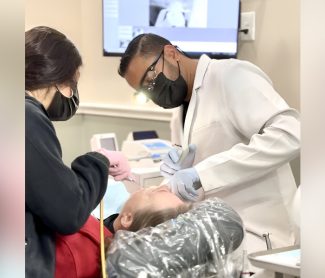
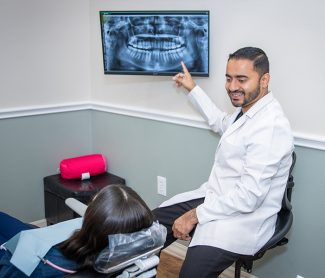
Evaluation begins with a detailed history and examination of the jaw joints, muscles, and bite. Digital X-rays are used when needed, and more persistent or complex cases may benefit from advanced imaging such as CBCT to visualise joint spaces. In many cases, a custom nightguard trial helps confirm improvement by balancing bite forces. Care is aligned with daily routines, medication considerations, sleep habits, hydration, and posture to support long-term relief.
Our Conservative Approach to Jaw Pain in Keller
At Highland Oaks Family Dentistry, Dr. Patel focuses on step-by-step, conservative care. Treatment may include custom splints, selective bite adjustments, home stretching routines, and habit coaching. Collaboration with medical or dental specialists is recommended only when necessary. Patients leave with clear home instructions, red-flag guidance, and a structured follow-up plan to monitor progress.
Schedule an Evaluation for Jaw Pain in Keller
If jaw discomfort is affecting your comfort or daily routine, Highland Oaks Family Dentistry in Keller provides careful evaluation and conservative treatment focused on protecting your teeth and joints. Scheduling options are available to help you begin feeling more comfortable.If you’ve already consulted another provider, a second opinion can help confirm the diagnosis and clarify the most appropriate next steps. Dr. Patel will review your symptoms and any prior findings to guide informed care.
Frequently Asked Questions
Yes. The jaw joint shares nerve pathways with the ear, so TMJ issues can feel like ear pressure or occasional ringing.
They may help short term, but uneven or bulky guards can strain the bite or joints. Custom appliances offer better balance and comfort.
Sleeping on your back with gentle neck support helps the jaw relax. Avoid stomach sleeping or resting your chin on your hand.
Sometimes. If bite imbalance contributes to joint stress, orthodontics may be part of the plan, but it is not a universal solution.