
Bleeding Gums in Keller, TX
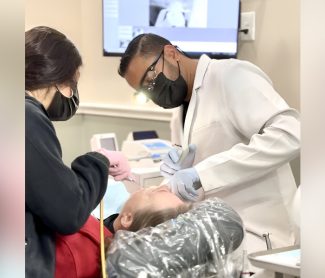
Bleeding gums are often an early sign of inflammation caused by plaque accumulation along the gumline. In some cases, medications, hormonal changes, or brushing habits can also contribute. Addressing bleeding early helps protect the gums and the bone that supports your teeth. With proper evaluation and care, bleeding gums in Keller, TX can usually be reversed before more serious gum problems develop. At Highland Oaks Family Dentistry, gum health evaluations are guided by Dr. Devang Patel, a licensed general dentist with over 13 years of clinical experience diagnosing and managing inflammatory gum conditions. His approach focuses on identifying the underlying cause, recommending evidence-based preventive care, and educating patients on daily habits that support long-term periodontal stability.
What Are Bleeding Gums?
Bleeding occurs when inflamed gum tissue reacts to brushing or flossing. You may also notice redness, tenderness, swelling, or changes in breath. In clinical practice, dentists often see bleeding gums as an early warning sign of gingivitis. When addressed promptly with professional care and improved home habits, gum health typically improves and continues to stabilise.
Common Causes of Gum Bleeding
Bleeding gums may be linked to:
- Plaque and tartar buildup along the gumline
- Smoking or tobacco use
- Poorly fitting dental restorations
- Medical conditions such as diabetes
- Hormonal changes, including pregnancy
- Certain medications that affect gum tissue
- Brushing too hard or using stiff bristles
Identifying the cause helps tailor treatment and prevent recurrence.
Symptoms That Should Be Monitored
Signs of gum inflammation include:
- Blood when brushing or flossing (“pink in the sink”)
- Puffy, tender, or red gums
- Sensitivity near the gumline
- Areas where gums appear to pull back
- Worsening breath
During exams, dentists also monitor pocket depths and tissue response to confirm healing progress.
When to See a Dentist
Schedule an evaluation if:
- Bleeding continues after a week of gentle brushing and flossing
- Gums begin to recede
- Teeth feel slightly loose
- Tenderness or swelling worsens
These signs may indicate inflammation beyond routine plaque buildup and should be assessed to prevent progression toward periodontal disease.
How Bleeding Gums Are Diagnosed
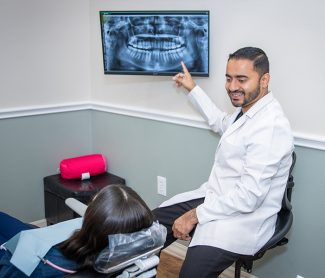
Evaluation includes a review of medical history, gum measurements, and digital X-rays when indicated to assess bone support. Based on findings, care may involve:
- Professional cleaning
- Localised antimicrobial therapy
- Personalised oral hygiene instruction
Planned follow-ups help track improvement and fine-tune home care.
Benefits of Treating Bleeding Gums Early
Early intervention can:
- Stop bleeding more quickly
- Improve comfort and breath
- Preserve bone and gum attachment
- Reduce sensitivity
- Lower the risk of advanced gum disease
With consistent care, many patients notice improvement within days to weeks.
Care for Bleeding Gums in Keller
If you’re noticing bleeding or tenderness, Highland Oaks Family Dentistry in Keller provides thorough evaluation, professional cleaning, and clear guidance to support healthier gums. Scheduling options are available to help you address symptoms before they progress. If another dental office has evaluated your gums, you’re welcome to visit us for a second opinion. Dr. Patel will review your findings and explain the most appropriate next steps for long-term gum health.
Frequently Asked Questions
Bleeding may occur initially, but regular flossing helps reduce inflammation. Most patients see less bleeding within one to two weeks.
Mouthwash can help control bacteria, but plaque removal and proper brushing technique are essential for lasting improvement.
Often, yes. X-rays help evaluate bone support and rule out deeper issues. Imaging is recommended based on exam findings.
Yes. Some medications affect gum tissue or blood flow. Sharing your medication list helps guide safe and effective care.