
Loose or Dislodged Teeth in Keller, TX
Loose or dislodged teeth occur when the supporting ligaments or surrounding bone are strained, inflamed, or injured. This can happen suddenly after trauma or develop gradually due to bite forces or gum disease. Prompt evaluation helps stabilize the tooth, relieve discomfort, and protect long-term oral health. Early care for loose or dislodged teeth in Keller, TX can significantly improve the chance of saving the tooth. At Highland Oaks Family Dentistry, evaluation and stabilization decisions are guided by the clinical judgment of Dr. Devang Patel, a licensed general dentist with over 13 years of hands-on experience managing dental injuries and bite-related conditions. His approach emphasizes accurate diagnosis, conservative stabilization when appropriate, and clear patient education to support informed treatment choices.
What Are Loose or Dislodged Teeth?
A tooth may feel loose (mobility) or shift partially out of position after injury or inflammation. In clinical settings, dentists often see these cases following sports accidents, falls, or long-term bite stress. Evaluation focuses on tooth stability, gum health, root position, and bite alignment. Stabilization methods such as splinting or bite adjustment may be recommended based on imaging and exam findings.
Common Causes of Tooth Mobility or Displacement
Loose or dislodged teeth may result from:
- Sports-related impacts
- Falls or direct injury to the mouth or jaw
- Teeth grinding or clenching (bruxism)
- Periodontal disease reducing bone support
- Biting hard objects like ice or unpopped kernels
- Medical factors that affect bone or gum health
Identifying the underlying cause is essential to guide treatment and prevent recurrence.
Symptoms That Need Evaluation
Warning signs include:
- Tooth movement when chewing
- Tenderness or bleeding around one tooth
- A tooth appearing longer than nearby teeth
- Sudden changes in bite
- Temperature sensitivity
If these symptoms appear, timely care can help protect the root and surrounding bone from further damage.
Why Prompt Care Matters
Delaying treatment can increase the risk of nerve injury, infection, or root resorption. In many cases, early repositioning and splinting improve healing outcomes. Swelling, fever, or drainage should always be evaluated urgently to prevent complications.
What to Do at Home Before Your Visit
- Avoid wiggling or testing the tooth
- Keep it in its current position
- Apply a cold compress for swelling
- Do not force the tooth back into place
- Bring any broken fragments or mouthguards to your appointment
These steps help protect the tooth until professional care begins.
Care for Children With Loose or Dislodged Teeth
While baby teeth naturally loosen over time, trauma should always be evaluated. The dentist checks mobility, gum health, and the developing adult tooth underneath. Depending on findings, care may involve monitoring or stabilization. Clear home-care guidance helps families manage healing confidently.
Benefits of Early Stabilization
Early treatment can:
- Reduce pain and inflammation
- Protect periodontal ligaments
- Lower infection risk
- Shorten recovery time
- Reduce the likelihood of long-term tooth mobility
Following care instructions closely supports predictable healing and comfort.
Our Approach to Tooth Stabilization in Keller
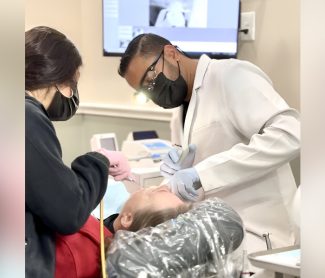
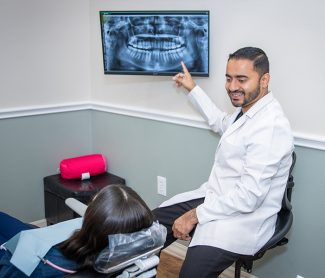
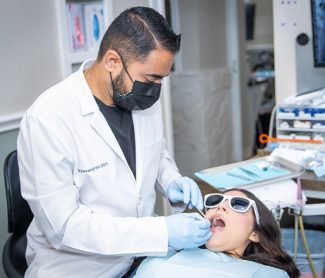
At Highland Oaks Family Dentistry, Dr. Patel uses digital imaging, gentle techniques, and clear explanations to guide care. Follow-ups are coordinated to monitor healing, and patients receive guidance on bite adjustments, mouthguards, and oral hygiene to reduce stress on the affected tooth.
Schedule Care for Loose or Dislodged Teeth in Keller
If a tooth feels loose or out of position, Highland Oaks Family Dentistry in Keller offers timely evaluation, stabilization, and guidance to support healing. Scheduling options are available to help you take action before the issue worsens. If another dentist has advised urgent dental treatment, you’re welcome to visit us for a second opinion. Dr. Patel will review your condition, imaging, and options so you can take a completely informed decision.
Frequently Asked Questions
Sometimes. If the root and bone remain healthy, splinting and bite adjustments can allow the ligaments to heal and stability to improve over several weeks.
Most splints remain in place for one to two weeks, depending on healing. A soft diet and avoiding hard foods help protect the area during recovery.
Often, yes. Imaging helps assess the developing adult tooth and surrounding bone. The need depends on symptoms and exam findings.