
Knocked-Out Teeth in Keller, TX
A knocked-out tooth, also called an avulsion, is a true dental emergency where minutes matter. When handled correctly and treated quickly, care for knocked-out teeth in Keller, TX may allow the tooth to be replanted by preserving vital ligament cells and stabilising the area for better long-term comfort and function.
At Highland Oaks Family Dentistry, emergency avulsion care is directed by Dr. Devang Patel, a licensed general dentist with over 13 years of experience managing traumatic dental injuries. His approach prioritizes rapid assessment, preservation of periodontal ligament health, and evidence-based stabilization protocols to improve the likelihood of successful reimplantation.
What Is a Knocked-Out Tooth?
A knocked-out tooth is completely removed from its socket, unlike a tooth that is only loose or partially displaced. This injury damages the periodontal ligament cells that help anchor the tooth to bone.
In clinical practice, dentists treat avulsed teeth as time-sensitive injuries. The goal is to keep the root surface viable until the tooth can be repositioned and stabilised.
Important handling tips:
- Hold the tooth by the crown only, never the root
- If dirty, gently rinse with milk or saline — do not scrub
- Do not reimplant baby teeth
- Permanent teeth should be replanted urgently when possible
Why Immediate Action Is Critical
Once the tooth dries, ligament cells on the root begin to die. Keeping the tooth moist — ideally reimplanted or stored in milk or a preservation solution — improves survival.
Rapid reimplantation, flexible splinting, and timely follow-up care reduce the risk of complications like root resorption or infection. Scraping or cleaning the root damages the very fibers needed for reintegration and should be avoided.
Common Causes of Knocked-Out Teeth
Dentists most often see avulsions caused by:
- Sports collisions or contact injuries
- Bicycle or scooter falls
- Household or playground accidents
Wearing a properly fitted mouthguard significantly lowers the risk. After facial trauma, additional evaluation is often needed to rule out cracks, jaw injury, or soft-tissue damage. Tetanus status may also need medical review depending on the injury.
What to Do Immediately (Step-by-Step)
Find & handle:
Pick up the tooth by the crown only
Rinse briefly:
Use milk or saline; never scrub or use soap
Reimplant or store:
Place gently back into the socket or store in milk or HBSS
Control bleeding:
Apply light pressure with clean gauze
Call & go:
Seek dental care immediately and bring any fragments
Additional Safety Tips
- Keep the tooth moist at all times
- Do not wrap it in tissue or cloth
- Avoid placing aspirin directly on the gums
- Eat soft foods until evaluated
Signs That Require Emergency Dental Care
Contact a dentist immediately if any of the following occur after injury:
- Bleeding that continues beyond 10 minutes
- Severe pain, rapid swelling, or fever
- A tooth that is completely out, displaced, or suddenly loose
- Facial or lip numbness or a new bite change
- Inability to keep the tooth moist
- Limited jaw opening or signs of possible fracture
If dizziness, nausea, or loss of consciousness occurs, seek medical care first.
Our Emergency Approach in Keller
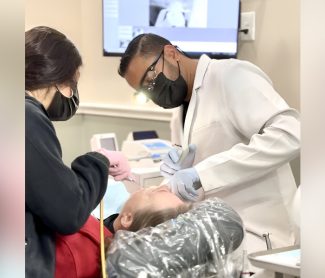
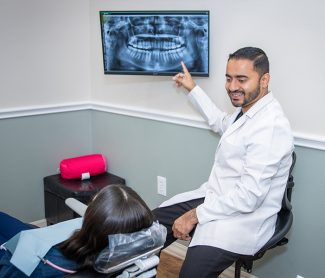
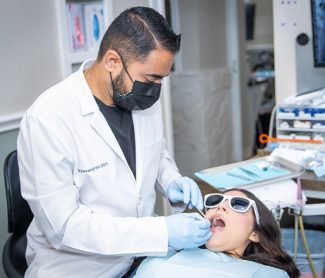
At Highland Oaks Family Dentistry, emergency care focuses on immediate assessment, gentle reimplantation when appropriate, and stabilisation with flexible splints. Digital imaging confirms positioning and checks for fractures.
Dr. Patel coordinates follow-up care, outlines timelines for splint removal, discusses root canal needs for mature teeth, and provides written aftercare instructions. Preventive guidance, including custom athletic mouthguards, is also reviewed to reduce future injury risk.
Frequently Asked Questions
Yes, if it is a permanent tooth and you can do so gently. Otherwise, store it in milk and seek care immediately.
Do not reimplant baby teeth. An evaluation helps guide healing and space maintenance.
Immediately. The first 30–60 minutes offer the best chance of saving the tooth.
Often yes for mature permanent teeth. Timing is guided carefully based on healing.