
Infection and Swelling in Keller, TX
Dental infections develop when bacteria enter the tooth or gum tissues, leading to pain, abscess formation, or facial swelling. These infections can progress quickly and should not be ignored. Prompt evaluation for infection and swelling in Keller, TX helps control the spread, protect breathing and oral structures, and address the underlying cause rather than masking symptoms. At Highland Oaks Family Dentistry, infection management is guided by Dr. Devang Patel, a licensed general dentist with over 13 years of clinical experience diagnosing and treating urgent dental infections. His approach prioritizes rapid source identification, evidence-based treatment decisions, and careful monitoring to prevent complications while protecting patient safety.
What Is Dental Infection and Swelling?
Dental infections may begin inside a tooth (pulpal infection) or within the surrounding gums and bone (periodontal infection). Common signs include throbbing pain, sensitivity to temperature, a foul taste, or localized gum swelling that may appear as a pimple-like spot. In clinical practice, facial swelling is taken seriously because it can worsen rapidly. Early assessment focuses on locating the source and relieving pressure before the infection spreads further.
Common Causes of Oral Infections
Dental infections and swelling often result from:
- Deep or untreated tooth decay
- Cracked or fractured teeth
- Leaking or broken fillings and crowns
- Impacted or partially erupted wisdom teeth
- Advanced gum disease
Risk increases with dry mouth, tobacco use, and uncontrolled medical conditions such as diabetes, all of which reduce the mouth’s natural defenses.
Symptoms That Require Immediate Attention
Seek prompt evaluation if you notice:
- Rapidly increasing facial or jaw swelling
- Fever or general fatigue
- Difficulty swallowing or opening your mouth
- Swelling under the jaw, tongue, or near the eye
- Severe pressure or pain that worsens quickly
These signs may indicate deeper tissue involvement and should be addressed without delay.
What to Do While Awaiting Care
Until you are seen by a dentist:
- Call for an exam and follow any instructions provided
- Avoid chewing on the affected side
- Choose soft foods
- Apply a cold compress to the face (avoid heat for new infections)
- Take medications only as prescribed
- Seek urgent care immediately if breathing or swallowing becomes difficult
Why Prompt Treatment Matters
Dental infections can spread along soft-tissue spaces and, in rare cases, affect breathing. Treatment focuses on source control, which may involve drainage, root canal therapy, or tooth removal to eliminate bacteria and relieve pressure. Antibiotics may be used in selected cases, but they are not a substitute for a definitive dental treatment that removes the source of infection.
How Infection and Swelling Are Diagnosed
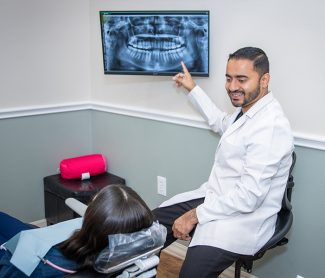
Diagnosis includes a focused exam, symptom review, and digital X-rays to identify the origin of infection. When deeper involvement is suspected, advanced imaging or medical coordination may be necessary.
If swelling extends toward the eye, under the tongue, or into the neck, immediate action is taken to reduce spread and protect the airway. Clear home-care instructions and red-flag guidance are provided so patients know when to call or return.
Recovery and Aftercare
After treatment:
- Expect tenderness for a few days as swelling subsides
- Keep your head elevated when resting
- Begin warm saltwater rinses 24 hours after treatment
- Eat soft foods and avoid extreme temperatures
- Complete all prescribed medications
- Attend follow-up visits to confirm healing
These steps support recovery and reduce the risk of recurrence.
Preventing Future Dental Infections
- Brush twice daily with fluoride toothpaste
- Clean between teeth every day
- Treat small cavities before they deepen
- Replace failing restorations promptly
- Manage dry mouth with hydration and saliva-supportive products
- Use a nightguard if grinding is present
- Avoid tobacco to improve healing and resistance to infection
- Maintain regular dental cleanings and exams
Early detection plays a key role in prevention.
Care for Infection and Swelling in Keller
If you’re experiencing pain or swelling, Highland Oaks Family Dentistry in Keller provides prompt evaluation, appropriate treatment, and clear aftercare guidance to support recovery. Scheduling options are available to help address symptoms quickly and safely If another provider has recommended treatment, a second opinion is available. Dr. Patel will review your condition and explain the safest and most effective next steps before care begins.
Frequently Asked Questions
Not always. Eliminating the source is the priority. Antibiotics are used when there are signs of spread or systemic involvement.
Often yes, depending on the procedure and your comfort level. Your dentist will advise you.
Recurrence is less likely when the source is fully treated and home care improves. Follow-up visits help confirm healing.
Rapid spread, fever, or difficulty swallowing or breathing is urgent and requires immediate care.