
Family Dentistry in Keller, TX
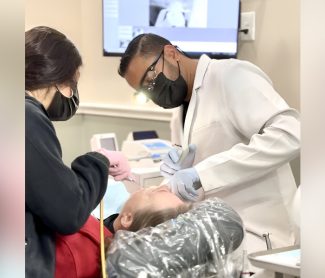
Oral health needs evolve throughout life as teeth erupt, enamel gradually wears down, and gum tissues respond to bacterial plaque over time. Family dentists in Keller, TX, focus on evaluating these biological patterns during routine examinations, so that dental concerns can be recognized before structural damage progresses. A comprehensive exam usually involves reviewing medical history, checking gum attachment levels, assessing bite alignment, and inspecting existing restorations. These findings help the dentist determine whether preventive care, monitoring, or restorative treatment is appropriate.
Preventive Dentistry And Early Detection
Dental plaque contains bacteria that produce acids capable of weakening tooth enamel. When plaque remains along the gumline, it can irritate the surrounding tissue and cause inflammation. Professional dental cleanings remove hardened plaque deposits that brushing alone cannot eliminate. During the same visit, the dentist examines enamel surfaces for demineralization, which may signal an increased risk of cavity formation. Recognizing these signs allows a family dentist in Keller to recommend preventive measures such as improved hygiene habits or fluoride treatments that help reinforce enamel before cavities form.
Dental Care For Children And Adolescents
Children experience important dental transitions as primary teeth loosen and permanent teeth begin to emerge. Observing this transition helps ensure that permanent teeth emerge in positions that support proper chewing and alignment. Dentists observe the spacing between teeth, the timing of eruption, and jaw development patterns. If a child’s bite shows early signs of crowding or misalignment, the dentist may recommend additional observation or consultation. Families searching online for a family dentist near me often want a dental office capable of guiding children through these developmental stages while maintaining healthy gums and teeth.
Adult Dental Health And Restorative Care
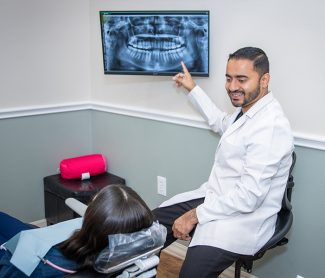
As adults age, dental concerns may include enamel wear from grinding, gum recession, or the failure of older dental restorations. Assessing these concerns requires careful inspection of tooth structure and the supporting bone beneath the gums. Diagnostic imaging allows the dentist to observe areas beneath the gumline where decay or bone deterioration may occur. When a damaged tooth is identified, restorative treatment begins with removing weakened tissue while preserving as much natural structure as possible. A family dentist may recommend fillings, crowns, or monitoring depending on the stability of the remaining tooth and surrounding gum support.
Monitoring Gum Health And Bone Support
Gum tissue acts as a protective barrier for the bone that anchors teeth in place. When plaque bacteria remain along the gumline for extended periods, inflammation can weaken the attachment between gum tissue and tooth surfaces. During routine visits, the dentist measures gum pocket depth and examines tissue color and firmness to evaluate periodontal health. Patients seeking family dental care services in Keller, TX often benefit from these periodontal evaluations because detecting gum disease sooner allows treatment to begin before bone support is affected.
Dental Care That Supports Patients Of All Ages
Providing dental care for all ages in Keller, TX, involves adapting treatment plans to the biological and structural needs of each patient. Young children may require observation of tooth eruption, teenagers may need monitoring of orthodontic changes, and adults may require restorative procedures to protect weakened teeth. Consistent visits allow the dental team to compare current findings with earlier records and observe trends such as enamel wear or gradual changes in bite alignment. This long-term perspective helps the dentist make informed decisions that prioritize tooth stability and gum health.
FAQs – Family Dentistry in Keller, TX
Family dentistry typically includes routine exams, professional cleanings, cavity treatment, gum health assessments, and observation of dental development. Dentists assess tooth structure and gum support to decide whether preventive care or restorative treatment is needed.
Most patients benefit from dental examinations approximately every six months. These visits allow the dentist to remove plaque buildup, evaluate gum health, and identify early signs of cavities or enamel wear.
Yes. Family dentistry focuses on treating patients at different life stages. Dentists monitor tooth eruption and jaw development in children while evaluating gum health and restorations in adults.
Preventive care removes plaque deposits that contain bacteria capable of causing cavities and gum inflammation. Regular monitoring allows dentists to detect problems before structural damage occurs.
Dentists measure gum pocket depth and evaluate tissue condition during routine examinations. Changes in these measurements may indicate inflammation or periodontal disease that requires treatment.
Persistent tooth pain, swelling, bleeding gums, or a damaged tooth should be evaluated promptly because these symptoms may indicate infection or structural damage.