
Emergency Dentistry in Keller, TX
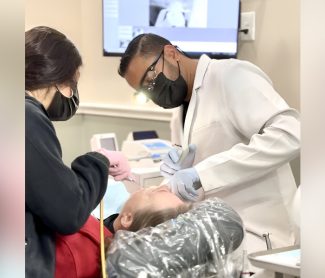
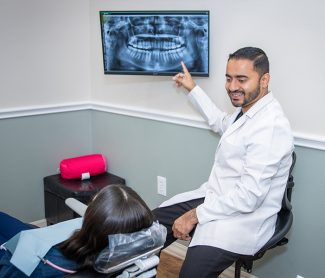
Dental emergencies can occur unexpectedly and may involve pain, swelling, infection, or dental trauma that requires prompt professional attention. Emergency dentistry in Keller, TX focuses on timely diagnosis, pain management, and protecting oral health, while identifying the most appropriate next steps for treatment.
At Highland Oaks Family Dentistry, emergency care is guided by the clinical judgment of Dr. Devang Patel, a licensed general dentist with over 13 years of hands-on clinical experience treating urgent dental conditions. His approach emphasizes evidence-based decision-making, conservative treatment when appropriate, and patient education to support informed care choices.
Understanding Emergency Dentistry
Emergency dentistry addresses acute dental conditions that impact comfort, function, or overall health. These visits typically involve a focused clinical evaluation, diagnostic imaging when indicated, and same-day care aimed at stabilizing the condition. In clinical practice, many emergency cases involve symptoms that have progressed over time. Delaying treatment can allow infection or structural damage to worsen. Seeking care early helps reduce the risk of complications such as infection spread, tooth loss, or the need for more extensive procedures.
Common Dental Emergencies Treated
Emergency dental visits commonly involve:
- Knocked-out or loosened permanent teeth
- Cracked, fractured, or broken teeth
- Lost fillings or dental crowns
- Severe tooth pain or dental abscesses
- Facial swelling, gum injuries, or oral bleeding
These situations may result from sports injuries, accidental falls, untreated decay, or biting down on hard foods. Prompt evaluation improves the likelihood of preserving natural teeth and minimizing long-term oral health risks.
When Emergency Dental Care Is Needed
Urgent dental evaluation is recommended if you experience:
- Facial swelling or fever
- Persistent, worsening, or severe tooth pain
- Drainage accompanied by a bad taste or odor
- Trauma to the mouth, teeth, or jaw
- Bleeding that does not stop after 10 minutes of pressure
- Pain severe enough to interfere with sleep or daily activities
These symptoms may indicate infection, inflammation of the dental pulp, or internal damage that requires professional assessment.
What to Do Before You Reach the Dentist
If a permanent tooth is knocked out:
- Handle the tooth by the crown only
- Rinse gently if dirty, without scrubbing
- Attempt to place it back into the socket, if possible
- If not, store it in milk and seek immediate care
A cold compress may help reduce swelling. Avoid placing aspirin directly on the gums. If a tooth is fractured, saving broken fragments may assist with evaluation or repair. These steps can help preserve the tooth until treatment begins.
Emergency Dental Services Available
After clinical examination and imaging, emergency treatment may include:
- Temporary restorations such as fillings or crowns
- Drainage of dental abscesses when indicated
- Root canal therapy or pulp care to address infection
- Stabilization of loose teeth using splints
- Antibiotics prescribed only when clinically appropriate
Treatment focuses on relieving pain, managing infection, and preventing further damage. Follow-up care is planned to support long-term oral health and reduce the risk of recurrence.
Prompt Care When You Need It Most
If you are experiencing sudden dental pain, injury, or signs of infection, Highland Oaks Family Dentistry in Keller provides same-day emergency evaluations, diagnostic clarity, and focused care to help protect your oral health. Patients who have already received emergency guidance elsewhere may also seek a second opinion. Your symptoms, records, and imaging will be reviewed carefully, and all appropriate treatment options will be explained before any decisions are made.
Frequently Asked Questions
Handle the tooth by the crown, rinse gently, and attempt to place it back in the socket. If that is not possible, store it in milk and seek immediate dental care. Replanting within one hour offers the highest chance of success.
Tooth pain that is severe, persistent, wakes you from sleep, or is accompanied by swelling or fever should be evaluated promptly. These symptoms may indicate infection or nerve involvement.
No. Antibiotics do not eliminate the source of dental infection. Definitive treatment is required to address the underlying cause safely.
Not necessarily. Many cases can be stabilized with conservative or temporary treatment. Final recommendations depend on clinical findings and diagnostic imaging.